
Owl News

What Happens When You Walk Through the Door at Owl Homes of Fredonia

Most people who visit Owl Homes of Fredonia for the first time say the same thing on their way out: they had no idea it was this easy. The campus at 3752 East Main Road in Fredonia, New York is the largest modular and manufactured home display center in Western New York, with over two million dollars in fully finished model homes to walk through. But the campus is only part of the story. What keeps buyers coming back is the experience of working with a team that makes one of the biggest decisions of your life feel manageable, exciting, and completely clear from the first conversation.

Owl Homes of Fredonia operates Western New York’s largest modular home display campus, offering hundreds of customizable floor plan options, a guided home design process, full financing assistance, and a completely turnkey build experience from land to move-in. Tours are available Monday through Saturday with no pressure and no appointment required.

The Largest Modular Home Display Campus in Western New York

There is a real difference between looking at a floor plan on a screen and standing inside a finished home. Owl Homes understands this, which is why the campus has been built into a genuine destination for anyone seriously considering a new home build in WNY or Northwest PA.

Over a dozen model homes are currently on display and available to walk through at any time during business hours. Buyers can move room to room, open doors, look out windows, check ceiling heights, feel finishes, and understand spatial flow in a way that no website or catalog ever replicates. Families come in with questions and leave with clarity.

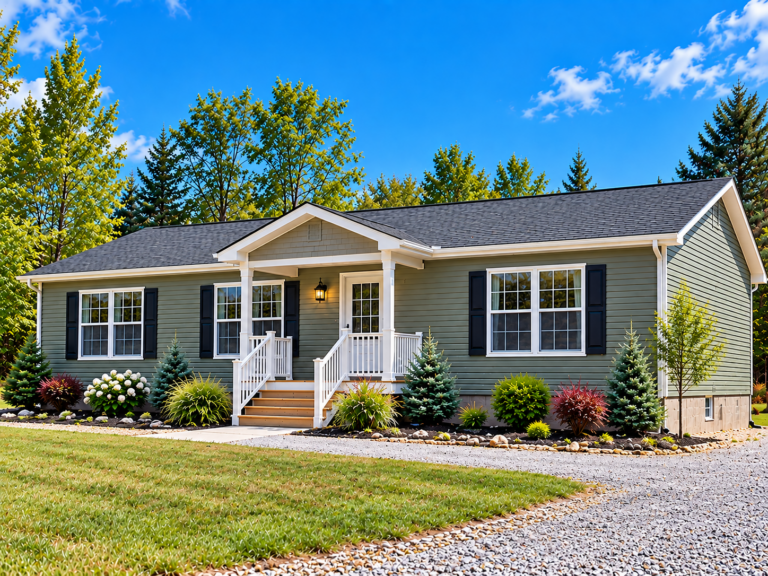
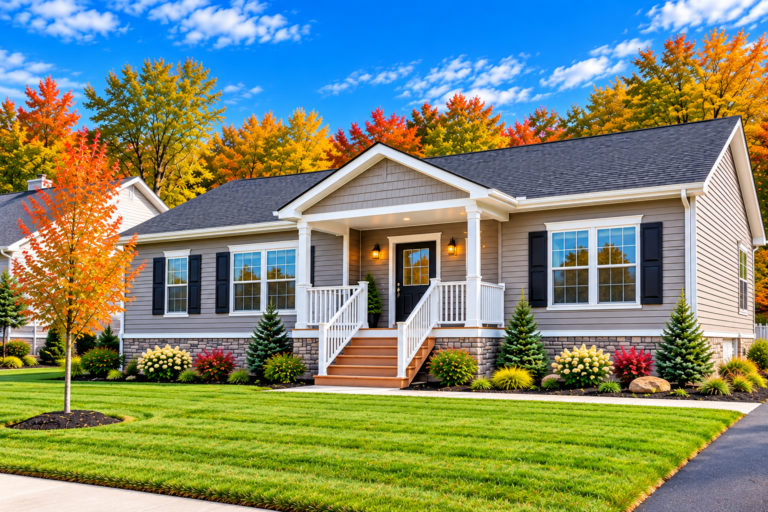
Two new models recently arrived on campus that are worth seeing in person. A massive Ultra ranch showcases walk-in pantries, open-concept living, and oversized rainfall tile showers. A Cape Cod with a finishable attic lets buyers see raw upper-level expansion space before committing. Both are on the floor and open for tours now.

Campus hours are Monday through Friday 9 to 5 and Saturday 9 to 4. Stop in or follow along on Facebook to see what is new on campus before you visit.

How the Home Design Process Actually Works at Owl Homes

This is the part most buyers are most nervous about before they start. Home design sounds complicated, and buyers often worry they will feel overwhelmed by choices or pushed toward something that does not fit their budget. The reality at Owl Homes is the opposite.

The manufacturers that Owl Homes works with, including Commodore, Manorwood, Champion, Skyline, and New Era Homes, all provide structured design guidelines that keep the selection process organized and clear. Buyers work within a well-designed framework that presents real options without creating decision fatigue. The consultants at Owl Homes guide this process in a way that makes it genuinely enjoyable.

The design process covers everything: floor plan selection and layout modifications, exterior siding and trim colors, roofing, windows, interior finishes including flooring and cabinetry, fixture packages, and special features like lofts, vaulted ceilings, open floor plans, Cape Cod styles, ranch layouts, and two-story configurations. Buyers are not choosing from a single preset package. They are building a home that reflects how they actually live.

PRO TIP: Buyers who come in with a rough sense of their lot size, the number of bedrooms they need, and one or two features that matter most to them move through the design process significantly faster than buyers who start completely open. A quick conversation with the team before your visit is the best way to prepare.

10 Things to Look for When You Tour Model Homes

Most first-time visitors focus almost entirely on finishes and miss the structural and layout details that matter most to long-term satisfaction. Here is a practical checklist for getting the most out of your campus tour:

  • Ceiling height and how it changes the feel of the space, especially in open-plan living areas.
  • Traffic flow between the kitchen, dining area, and main living space. This is where open floor plans either work or feel crowded.
  • Bedroom placement relative to living areas, especially for buyers with young children or those planning for aging in place.
  • Storage: closet depth, pantry size, and utility room layout. These details disappear in photos but become very obvious in person.
  • Window placement and natural light in key rooms, particularly the kitchen and primary bedroom.
  • Bathroom layout: the difference between a standard tub surround and an oversized walk-in shower becomes clear when you step inside.
  • How the exterior transitions to the entry. Steps, covered porches, and entry widths affect curb appeal and everyday usability.
  • Loft and bonus spaces: if the model has a loft, finishable attic, or flex room, walk that space and imagine it with your use case in mind.
  • How the finish packages compare across models. Seeing two or three homes back to back makes the upgrade differences concrete.
  • The feel of the home as a whole. After years of helping buyers, the Owl Homes team will tell you: buyers know the right home when they walk through it.

Modular Home Financing in New York: What to Know Before You Start

Financing is often the question buyers are most hesitant to ask about, and it should not be. Understanding what financing options look like for a modular home in New York is a completely normal part of the early conversation at Owl Homes, and the team is prepared to help buyers get oriented.

Modular homes placed on permanent foundations typically qualify for conventional mortgage financing, FHA loans, and VA loans. Because modular homes are built to the same code standards as site-built homes and placed on permanent foundations, lenders generally treat them the same way they treat traditional construction. This is one of the meaningful distinctions between modular and manufactured home financing, and it is worth understanding before you assume either path is or is not available to you.

Construction-to-permanent loans are also commonly used for new modular builds, combining the construction phase and the permanent mortgage into a single closing. Owl Homes works with buyers to identify whether conventional, FHA, VA, or construction-to-permanent financing fits their situation best.

The best time to ask about financing is at your first consultation. Reach out to the team or call 716-673-1366 to get the conversation started before you feel ready. That is the right time to start.

FAQs

Can I customize a modular home floor plan at Owl Homes?

Yes. Owl Homes offers hundreds of floor plan options across multiple manufacturers, with modifications available for layout, room configuration, exterior finishes, ceiling heights, and feature upgrades. The design process is guided and structured so buyers feel supported, not overwhelmed.

Do modular homes have good resale value?

Modular homes built on permanent foundations are appraised and resold the same way as site-built homes and typically hold value comparably in the same markets. Foundation type and location are the primary factors in long-term value, not the method of construction.

What styles of modular homes does Owl Homes offer?

Owl Homes carries ranch, Cape Cod, chalet, two-story, loft-style, and open floor plan configurations across its manufacturer lineup. The campus currently has new Ultra ranch and Cape Cod finishable attic models on display that are worth seeing in person.

Does Owl Homes serve buyers outside of Fredonia?

Yes. Owl Homes serves all of Western New York including Buffalo, Chautauqua County, Cattaraugus County, Niagara County, and Erie County NY, as well as Erie PA and Northwest Pennsylvania. Follow Owl Homes on Instagram for project updates across the region.

Article & Imagery by Nicholas Bellanti

Contact

Is This the Spring You Finally Build Your Modular Home in Western New York?

If you have been thinking about building a modular home, spring 2026 is the best time to start moving. Modular homes in Western New York are being built faster, at more competitive prices, and with more custom options than most buyers realize. At Owl Homes of Fredonia, the team is already helping families across Buffalo, Erie County, Chautauqua County, and Erie PA plan their builds so they can be in their homes before the first snowfall this coming fall and winter. The window is open right now. Here is what you need to know.

What Does Turnkey Modular Home Building Actually Mean?

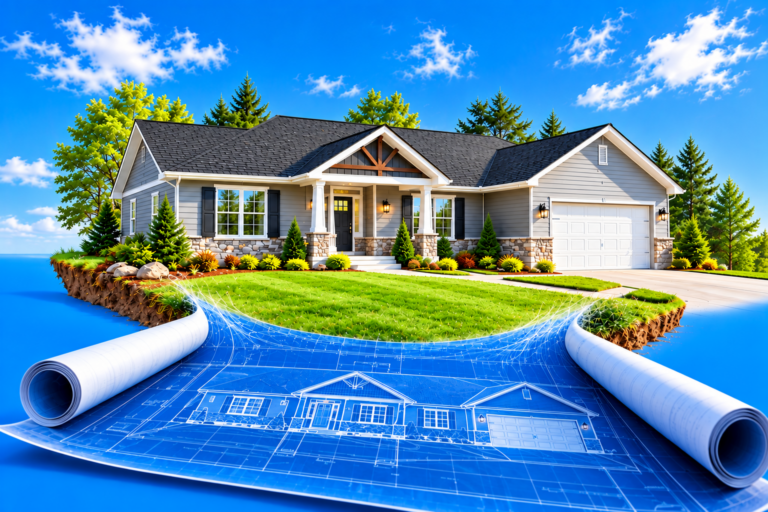
Turnkey is a word that gets overused in construction. At Owl Homes, it has a very specific and real meaning. A turnkey modular home build means one company manages every single step of your project from start to finish. That includes your initial consultation, land evaluation, zoning and permitting coordination, foundation work, utilities, full site preparation, home delivery, set day, installation, and all finish work including steps, decks, porches, and garages.

If you are not sure where your land search stands, the team can even assist with that. Owl Homes works with an in-house NYS Licensed Real Estate Agent who can help buyers find the right parcel before a single shovel hits the ground. For buyers who already have land, the process moves even faster.

Many buyers come in thinking they will need to manage separate contractors, run permits themselves, or figure out the site work on their own. With Owl Homes, none of that falls on you. The team handles the coordination so you can focus on the fun part: designing your home.

The easiest way to understand everything included is to visit the campus or call 716-673-1366 to speak with one of the consultants directly.

Are Modular Homes Cheaper Than Stick Built? Here Is the Honest Answer

This is one of the most common questions buyers ask, and the honest answer is: yes, modular homes are generally more cost-effective than traditional stick-built construction, but the reasons go deeper than most people expect.

Modular homes are built indoors at a manufacturing facility where material waste is tightly controlled, weather delays are eliminated, and quality inspections happen at every stage of production. That controlled environment translates directly into a tighter, more predictable build process. When a modular home arrives on site, most of the work is already done.

Compare that to a site-built home where your framing sits exposed to rain, your material costs fluctuate with the lumber market, and delays from subcontractors and weather can stack up for months. The price difference at the end of a project is often significant.

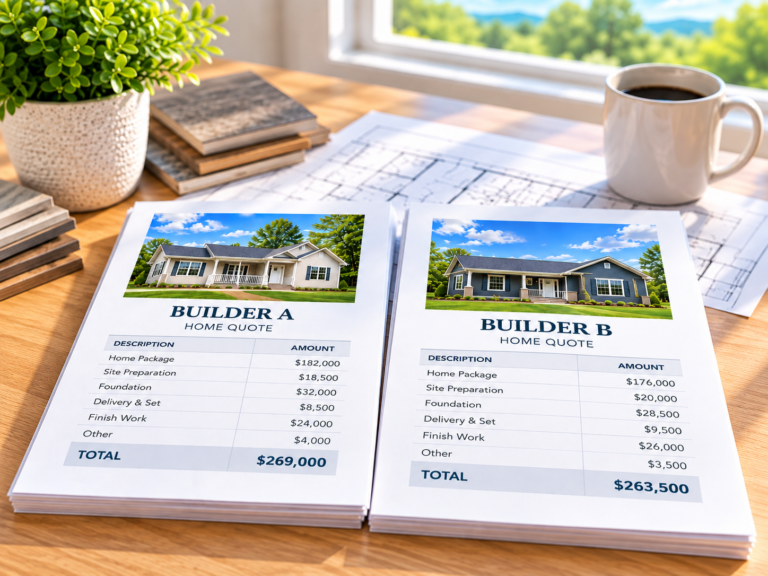
That said, the total cost of your build depends on factors beyond just the home itself: lot preparation, foundation type, utility connections, and the finish options you choose. Owl Homes gives buyers a clear picture of total project costs during consultation, with no guesswork and no surprise invoices mid-project.

Did You Know? 5 Things Most Buyers Are Surprised to Learn

Modular homes still carry old myths that no longer hold up. Here are five things that consistently surprise buyers when they start their research at Owl Homes:

  • Modular homes are built to the same local and state building codes as traditional site-built homes. They are not the same as manufactured homes built to HUD standards.
  • The construction timeline for a modular home is often significantly shorter than site-built because indoor building eliminates weather delays and keeps multiple phases of construction moving simultaneously.
  • Move-in timelines after set day are often just four to eight weeks for site completion, meaning buyers planning now could realistically be in their home before fall.
  • Customization options are extensive. Floor plans, ceiling heights, exterior finishes, fixture packages, and layout changes are all available through the home design process at Owl Homes.
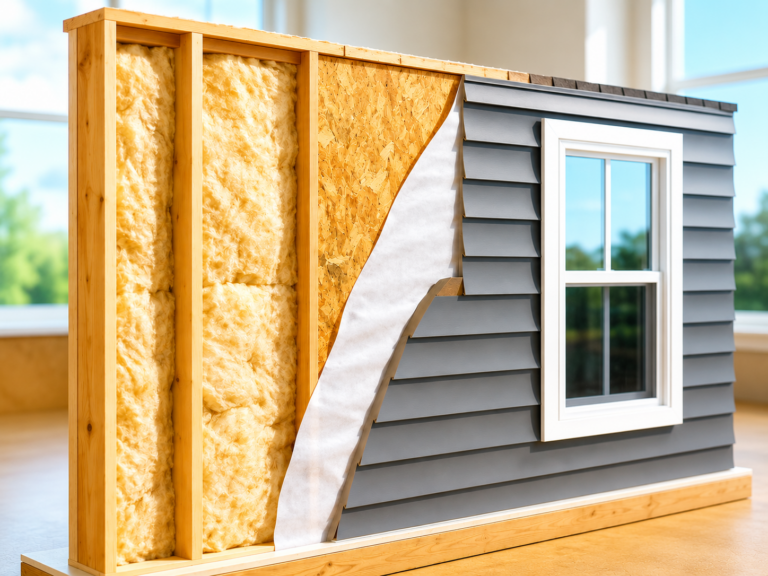
  • Energy efficiency in modern modular construction consistently meets and often exceeds what traditional builders deliver, with tighter building envelopes and high-performance insulation as standard.

What Is New on the Owl Homes Campus Right Now

Owl Homes of Fredonia operates the largest modular and manufactured home display campus in Western New York, with over two million dollars in model homes available for buyers to walk through. There is no rendering or brochure that replaces standing inside a finished home and understanding exactly what you are choosing.

Two standout new models have recently arrived on campus and are worth seeing in person:

The first is a massive Ultra ranch modular home showcasing the latest and most advanced offerings in American modular construction. Buyers walking through this home immediately understand what modern modular building looks like at its best: open floor plans, walk-in pantries, oversized 4×6 rainfall tile walk-in showers, premium finish packages, and the kind of space that feels custom from the moment you step inside.

The second is a Cape Cod style home featuring a finishable attic space upstairs. The upper level comes delivered unfinished, giving buyers the opportunity to add living space, a bedroom, or a bonus room down the road without a major addition. Seeing this model in person makes the concept immediately clear.

Tours are available Monday through Friday 9 to 5 and Saturday 9 to 4. No pressure, no appointment required to walk through. You can also schedule a consultation if you want to sit down with a consultant and start working through your specific build details.

How Long Does It Take to Build a Modular Home?

This question deserves a straight answer. The total timeline from first consultation to move-in varies depending on your land situation, permitting timelines in your municipality, and the scope of your site work. However, a realistic general range for a buyer who starts now with land already in hand is four to six months from design finalization to move-in.

The home design and manufacturing process typically runs eight to twelve weeks. Site work and foundation preparation happen in parallel where possible, which compresses the overall timeline. Once the home is set on its foundation, finish work for site completion typically takes four to eight additional weeks.

Buyers who start the process in March and April have a realistic path to a summer or early fall move-in. Buyers who wait until May or June to begin often find themselves looking at a late fall or winter completion. The planning stage is where timeline is won or lost, and that is exactly why starting now matters.

How to Get Started: 4 Steps That Actually Move You Forward

Getting started does not require a commitment. It requires a conversation. Here is how most buyers at Owl Homes move from thinking about it to breaking ground:

  • Step 1: Call or reach out to schedule a consultation. The team at Owl Homes is known for making the information easy to understand, the process feel manageable, and the conversation genuinely low-pressure. Expect to spend about 20 to 30 minutes on a first call covering your land situation, timeline, and the styles that interest you most. A phone call to 716-673-1366 or a message through the contact page is all it takes to start.
  • Step 2: Visit the campus. Walking through the display homes at 3752 East Main Road in Fredonia gives buyers a clear, concrete sense of what they are building toward. Most visitors leave with far more clarity than they arrived with.
  • Step 3: Work through the home design process. Owl Homes uses a guided design process with modern design room tools, helping buyers make finish, layout, and feature selections without feeling overwhelmed. The manufacturers work within clear parameters that keep choices organized and decisions manageable.
  • Step 4: Let the team handle the rest. Once your home is in production, Owl Homes coordinates site work, permitting, utilities, and foundation so you are not chasing contractors or managing timelines on your own.

Owl Homes serves buyers throughout all of Western New York including Buffalo, Chautauqua County, Cattaraugus County, Niagara County, and Erie County NY, as well as Erie PA and Northwest Pennsylvania. Hundreds of home tours and real installation videos are also available on the Owl Homes YouTube channel for buyers who want to see the full process before their first visit.

FAQs

How much does a modular home cost in New York?

Total project costs vary depending on the home model, site conditions, foundation type, and finish selections. Owl Homes provides full project cost breakdowns during consultation so buyers understand the complete picture before making any commitment.

Can Owl Homes help if I do not have land yet?

Yes. Owl Homes works with an in-house NYS Licensed Real Estate Agent who can assist buyers in finding the right parcel of land throughout Western New York and Northwest Pennsylvania.

Does Owl Homes handle permits and site work?

Yes. Owl Homes is a fully turnkey builder. The team coordinates permitting, zoning, site work, utilities, foundation, and everything through final installation. Buyers do not need to manage this process independently.

What is the difference between modular and manufactured homes?

Modular homes are built in sections and placed on permanent foundations, meeting the same local building codes as traditional construction. Manufactured homes are built to federal HUD standards. Owl Homes builds and places both types and helps buyers determine which option fits their land, budget, and goals.

Article & Imagery by Nicholas Bellanti

Contact

Modular vs Manufactured Homes: Choosing the Right Path Before You Build

Choosing the Right Home Starts With Understanding Your Options

What kind of home actually fits this property?
What holds value long term?
What path avoids delays, surprises, and unnecessary stress?

That is where the conversation often splits.

Modular homes.
Manufactured homes.

At Owl Homes of Fredonia, this conversation happens every day. And the truth is, both modular homes and manufactured homes can be excellent choices when they are built, placed, and managed correctly by a turnkey builder who understands the full process.

The key is knowing which option fits your land, your budget, and your long term goals.

Modular and Manufactured Homes Are Not the Same Thing

One of the biggest misconceptions buyers have is assuming modular and manufactured homes are interchangeable. They are not.

Modular homes are built in sections indoors, transported to your site, and placed on a permanent foundation. They follow the same local and state building codes as traditional site built homes.

Manufactured homes are also built indoors, but they are constructed to federal HUD standards and placed on approved foundations or supports depending on the setup.

Both offer strong advantages. The difference is how they are built, permitted, and integrated into your property.

This is where working with a team like Owl Homes matters. They guide buyers through both paths, helping you choose the right option instead of forcing a one size fits all solution.

5 Reasons Buyers Are Choosing Factory Built Homes Right Now

This is not a trend. It is a shift.

Across Western New York, Buffalo, Erie PA, and Northwest Pennsylvania, more buyers are choosing modular and manufactured homes for very practical reasons.

1. Predictable build timelines
Homes built indoors are not delayed by weather, which means fewer surprises and more reliable scheduling.

2. Controlled quality
Materials stay dry. Framing stays square. Inspections happen at every stage of production.

3. Energy efficiency
Modern factory built homes are designed with tight building envelopes, efficient insulation, and smart layouts that reduce long term costs.

4. Customization without chaos
Buyers can personalize layouts, finishes, and features without managing multiple contractors.

5. Turnkey simplicity
When handled properly, the process is streamlined from planning through move in.

If you want to talk through which option makes sense for your land or timeline, starting with a conversation through the contact page is the easiest way forward.

Why Turnkey Matters More Than the Type of Home

Here is the part many buyers overlook.

The success of your home has less to do with whether it is modular or manufactured and more to do with who is managing the process.

A true turnkey builder handles:

  • Home selection and customization

  • Site evaluation

  • Permits and coordination

  • Foundation planning

  • Delivery and set day

  • Final walkthrough and next steps

Owl Homes of Fredonia does this every day. That experience protects buyers from missteps that can cost time, money, and peace of mind.

This is especially important for first time buyers or anyone building on rural or semi rural land throughout Western New York and Northwest PA.

Seeing the Difference in Person Changes Everything

Reading about homes online only gets you so far.

Visiting the Owl Homes campus gives buyers clarity fast. With over two million dollars in homes on display, you can walk through layouts, compare styles, and see the real difference between modular and manufactured options.

Most visitors leave feeling confident instead of overwhelmed.

You can also begin exploring layouts and features using the in home design experience tool before ever stepping foot on the lot.

Serving Western New York and Northwest Pennsylvania

Owl Homes of Fredonia proudly works with buyers throughout:

  • Buffalo and surrounding areas

  • All of Western New York

  • Erie PA

  • Northwest Pennsylvania

Their regional experience means fewer surprises and smoother projects from start to finish.

If you are planning to build this year or next, timing matters. A simple call to 716-673-1366 can help you understand your options without pressure.

Getting Started

Choosing between modular and manufactured homes does not need to be confusing.

The right builder makes the process clear.
The right timing creates flexibility.
The right plan creates confidence.

You can:

Your home decision is not about rushing.
It is about choosing the path that fits your life.

And the right guidance makes all the difference.

FAQs

Is a modular home better than a manufactured home?
Not always. The better option depends on your land, budget, and goals. Owl Homes helps buyers evaluate both.

Can Owl Homes help with both types of homes?
Yes. Owl Homes is a turnkey builder experienced in both modular and manufactured homes.

Do these homes qualify for financing?
In many cases, yes. Financing depends on home type, foundation, and lender requirements.

What is the best first step?
The easiest step is to contact the Owl Homes team or visit the campus to see options in person.

Article & Imagery by Nicholas Bellanti

Contact